Broken Down in Cornwall?
If you're broken down in Cornwall, Ol' Reliable Recovery bring you a step by step guide to help you find the solution your need. Always available, always helpful.
11/14/20257 min read
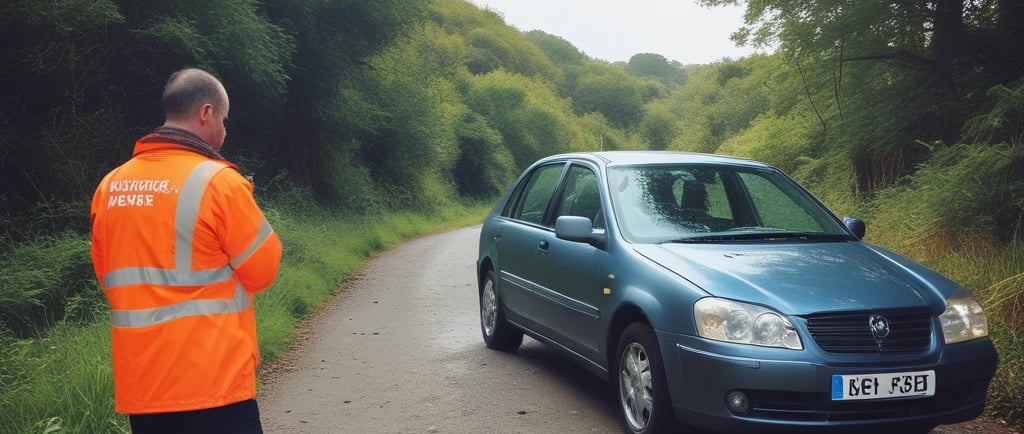
Your car has stopped. Maybe you're on the A30 near Launceston, stuck on a narrow lane near Bodmin, or stranded on a remote coastal road. Your heart's racing, traffic is building up behind you, and you're not sure what to do.
Take a breath. This guide will walk you through exactly what to do when your car breaks down in Cornwall, keeping you safe until help arrives.
Step 1: Get Safe Immediately (First 60 Seconds)
Your priority is your safety, not the car.
If You're on a Dual Carriageway or Major Road (A30, A38, A39)
Put your hazard lights on immediately
Don't panic - maintain control
Pull over to the hard shoulder or as far left as safely possible
If you can't reach the side, stop where you are and put hazards on
Turn your steering wheel left (if another vehicle hits you from behind, your car won't veer into traffic)
If You're on a Narrow Country Lane
Cornwall's rural roads present unique challenges:
Hazard lights on
Pull into the nearest passing place or gateway if possible
If stuck in the road, stay visible—hazards on, and someone should stand safely back to warn oncoming traffic if safe to do so
Don't block farm entrances unless it's your only safe option
If You're on a Hill
Apply the parking brake firmly
Put the car in first gear (or Park for automatics)
Turn wheels into the kerb if facing downhill
Use wheel chocks if you have them (see our emergency kit guide)
Step 2: Exit Your Vehicle Safely
Rule: Only get out if it's safe to do so.
When to Stay Inside Your Vehicle
Stay in the car with seatbelts on if:
You're in fast-moving traffic and can't exit safely
The hard shoulder is narrow with no refuge
Weather conditions are dangerous
You have children or vulnerable passengers
When to Get Out
Exit your vehicle if:
You can safely get to a safe place (behind barrier, footpath, grass verge)
You're on a blind corner or dangerous position
There's risk of fire or dangerous fumes
How to Exit Safely
Check your mirrors - is traffic still approaching fast?
Put on a high-visibility jacket BEFORE opening the door
Exit through passenger-side doors if safer (away from traffic)
Help all passengers exit safely toward the safe side
Keep children and pets under close control
Don't leave valuables visible in the car
Where to Go Once Out
Motorway/dual carriageway: Get behind the barrier or up the embankment, well away from the hard shoulder
Single carriageway: Move to the verge or behind a hedge
Country lane: Stand well back where you can be seen by approaching traffic, but away from the road
Never stand between your vehicle and oncoming traffic.
Step 3: Make Your Vehicle Visible
Once you're safe, make your vehicle as visible as possible:
Keep hazard lights on
Use your warning triangle if safe to place it:
45 metres (roughly 50 paces) behind your vehicle
On the same side of the road
Only if you can place it safely without risk
Never use on motorways—too dangerous
Bonnet up signals you need help (traditional countryside signal)
Don't use your phone torch to flag down traffic - it's dangerous and ineffective
Step 4: Call for Help
Who to Call (In Order)
1. If You Have Breakdown Cover: Call your breakdown provider first—they'll coordinate recovery.
2. If You Don't Have Breakdown Cover: Call OL Reliable Recovery on 01566 700 439 for immediate 24/7 assistance across Cornwall.
3. In An Emergency (Serious Safety Risk): Call 999 if:
Someone is injured
You're in a dangerous position and can't move
Another vehicle has hit your car
There's a risk to other road users
4. To Report a Breakdown on Major Roads:
Highways England: 0300 123 5000
Or use roadside SOS phones on motorways (behind marker posts every 100m)
What Information to Have Ready
When you call for recovery, they'll need:
Your exact location:
Road name/number (A30, B3254, etc.)
Nearest town or village
Junction numbers if on a major road
Direction you were traveling
Landmarks (pub names, farm names, etc.)
What3words location (download the app—it's invaluable in rural Cornwall)
Vehicle details:
Make, model, and colour
Registration number
Type (car, van, etc.)
Problem description:
What happened?
Can you start the engine?
Any warning lights?
Is it safe where you are?
Contact details:
Your mobile number
Number of passengers
Any vulnerable passengers (children, elderly, disabled)
Cornwall-Specific Location Challenges
Mobile signal is patchy in rural Cornwall. If you can't make a call:
Try texting (sometimes works when calls won't connect)
Move to higher ground for better signal
Flag down another driver to make the call for you
Walk to the nearest house or business (only if safe to do so)
Pro tip: Download what3words app before you travel. It gives every 3m square in the world a unique three-word address. It's incredibly accurate and works with patchy signal.
Step 5: Stay Safe While Waiting
If You're Behind the Barrier or in a Safe Place
Stay away from the vehicle and road
Keep everyone together and calm, especially children
Stay visible so recovery team can spot you
Keep warm—wear extra layers if you have them
Stay hydrated if you have water
Don't wander off—tell someone if you need to move
If You're Stuck in the Vehicle
Keep seatbelts on
Keep hazards flashing
Lock doors if you feel unsafe
Don't accept lifts from strangers (unless you feel genuinely unsafe staying)
Stay alert to approaching traffic
In Cold or Wet Weather
Winter breakdowns in Cornwall can be particularly challenging:
Wear waterproof and warm clothing from your emergency kit
Use blankets if you have them
Keep moving to stay warm if outside
Huddle together if with others
Don't sit on cold ground—use a blanket or mat
With Children
Keep them calm with reassurance
Make it an adventure if they're young
Keep them warm and dry
Have snacks and drinks to hand
Don't let them near the road under any circumstances
Step 6: When Recovery Arrives
What to Expect
Recovery vehicles (like OL Reliable's) will:
Approach with caution and park safely
Put on high-visibility gear
Assess the situation and your vehicle
Confirm where you want to go (home, garage, dealership)
Load your vehicle safely
Transport you and passengers if required
Information the Recovery Driver Needs
Keys to your vehicle
Locking wheel nut key if you have alloy wheels
Description of the problem
Destination address and postcode
Your contact details
What You Can Take
Take all valuables with you
Remove important items (documents, electronics, personal belongings)
Secure or remove loose items from inside the car
Cornwall-Specific Breakdown Challenges
Narrow Lanes and Tight Spaces
Recovery in rural Cornwall can be complex:
Narrow lanes may require a smaller recovery vehicle
Some properties are accessed via tight private roads
Multi-point turns may be needed
Recovery may take longer than urban areas
Good to know: OL Reliable Recovery knows Cornwall's roads intimately and has experience with challenging rural recoveries.
Limited Mobile Signal
Many areas have poor coverage:
Bodmin Moor has extensive dead zones
Between Holsworthy and Okehampton signal is patchy
Rural areas around Callington, Liskeard, and inland from Bude
Solution: Use what3words, download offline maps before traveling, or carry a signal booster if you regularly drive remote routes.
Remote Locations
Some Cornwall locations are genuinely remote:
Recovery times may be longer
You might wait 45-90 minutes in very remote areas
Limited facilities nearby
Preparation is key: Always carry emergency supplies (see our guide on essential items).
Tourist Season Delays
Summer breakdowns face additional challenges:
Heavier traffic on A30 and coastal routes
Longer recovery times due to congestion
Busier garages with longer waiting times
Agricultural Vehicles and Obstacles
Rural Cornwall means sharing roads with farm vehicles:
Tractors and harvesters can delay recovery access
Livestock occasionally on roads
Harvest season (August-October) creates additional delays
Common Breakdown Causes in Cornwall
Understanding common issues helps with prevention:
1. Battery Failure
Why common: Cold, damp coastal air accelerates battery deterioration
Prevention: Test battery annually, keep terminals clean
2. Flat Tyres
Why common: Rural roads have more debris, potholes, and sharp flints
Prevention: Check tyre condition weekly, maintain correct pressure
3. Overheating
Why common: Hilly terrain (especially around Bodmin, Tavistock routes)
Prevention: Regular coolant checks, service cooling system
4. Fuel Problems
Why common: Long distances between fuel stations in rural areas
Prevention: Keep tank above quarter-full, know your range
5. Electrical Faults
Why common: Salt spray corrosion near coast
Prevention: Regular servicing, clean engine bay occasionally
What to Do After Recovery
If Going to a Garage
Ask for estimated repair time
Get a written quote before authorizing work
Check warranty status if applicable
Arrange alternative transport if needed
If Going Home
Book garage appointment as soon as possible
Don't drive the vehicle until checked
Keep recovery paperwork for insurance/warranty claims
Review your breakdown cover (do you need it?)
Prevention: Reducing Breakdown Risk
The best breakdown is one that doesn't happen:
Regular Maintenance
Annual MOT (legal requirement)
Service per manufacturer schedule (typically every 12,000 miles or annually)
Address warning lights immediately
Check fluid levels monthly
Test battery annually
Pre-Journey Checks
Before longer journeys, spend 5 minutes checking:
Tyre pressures and condition
Lights all working
Screen wash level
No warning lights on dashboard
Adequate fuel
Emergency Kit
Keep these in your boot year-round:
High-vis jacket
Warning triangle
First aid kit
Torch
Blanket
Phone charger
Screen wash
Jump leads
Emergency contact numbers
See our full guide: Essential Emergency Kit for Cornwall Drivers
Frequently Asked Questions
How long will I wait for recovery in Cornwall?
Ol' Reliable Recovery typically arrives within 30-60 minutes across our 50-mile coverage area from Launceston. Remote locations or busy periods may take longer.
What if I break down at night?
Recovery services operate 24/7. Call immediately - don't wait until morning.
Ol' Reliable Recovery: 01566 700 439 is available 24 hours a day, 365 days a year.
Can you recover any vehicle?
Most services recover cars, vans, and light commercial vehicles. Ol' Reliable Recovery handles all standard vehicles up to 3.5 tonnes.
What if I don't know exactly where I am?
Use what3words app, describe landmarks, check nearby road signs, or ask another driver. Recovery teams are experienced at finding people.
How much does recovery cost?
Costs vary by distance and circumstances. Call 01566 700 439 for a free quote. If you have breakdown cover, check your policy first.
Do I have to use a specific garage?
No—you can request recovery to any destination within the recovery area, including your home if it's a short distance.
What if my car is blocking traffic?
Stay safe and call for help immediately. In serious cases, call 999. Recovery services will prioritize dangerous situations.
Why Choose Ol' Reliable Recovery?
When you're stranded on a Cornwall road, you need:
✓ Fast response—typically 30-60 minutes across our coverage area
✓ 24/7 availability—breakdowns don't wait for business hours
✓ Local knowledge—we know Cornwall's roads and challenging recovery spots
✓ Professional service—friendly, experienced drivers who care
✓ Comprehensive coverage—50-mile radius from Launceston including Plymouth, Bodmin, Bude, Okehampton, and beyond
✓ All vehicle types—cars, vans, light commercial vehicles
✓ Fair pricing—no hidden fees, free quotes
Broken down right now? Call 01566 700 439 for immediate assistance.
Breaking down is stressful, but following these steps will keep you safe until help arrives. Remember:
Safety first—get yourself and passengers to a safe place
Make your vehicle visible—hazards and warning triangle
Call for help—don't try to fix it yourself on a busy road
Stay safe while waiting—behind barriers, away from traffic
Have your vehicle recovered professionally
Cornwall's beautiful roads demand respect. Whether you're dealing with narrow lanes, coastal weather, or remote locations, knowing what to do in a breakdown makes all the difference.
Keep this number in your phone now:
Ol' Reliable Recovery - 01566 700 439
About Ol' Reliable Recovery
We provide 24/7 vehicle recovery services across Launceston and surrounding areas within a 50-mile radius. We serve Plymouth, Tavistock, Okehampton, Bude, Holsworthy, Liskeard, Bodmin, Saltash, Wadebridge, Callington, St Austell, and Newquay.
Whether you need breakdown assistance, accident recovery, or vehicle transport, we guarantee fast, professional, and affordable service—any time, any day of the year.
Contact us: 01566 700 439 | Based in Launceston, Cornwall
Coverage Areas
Launceston • Plymouth Bodmin • Bude Okehampton • Tavistock
Holsworthy • Liskeard Saltash
+ 50-mile radius from Launceston
Get a Quote
© 2025. All rights reserved.